Autism Awareness Isn’t Enough
Many Autistic adults enter therapy carrying years, sometimes decades of harm. This harm often comes from professionals who simply didn’t understand them. Not because those therapists were necessarily unkind, but because good intentions don’t replace specialised training.
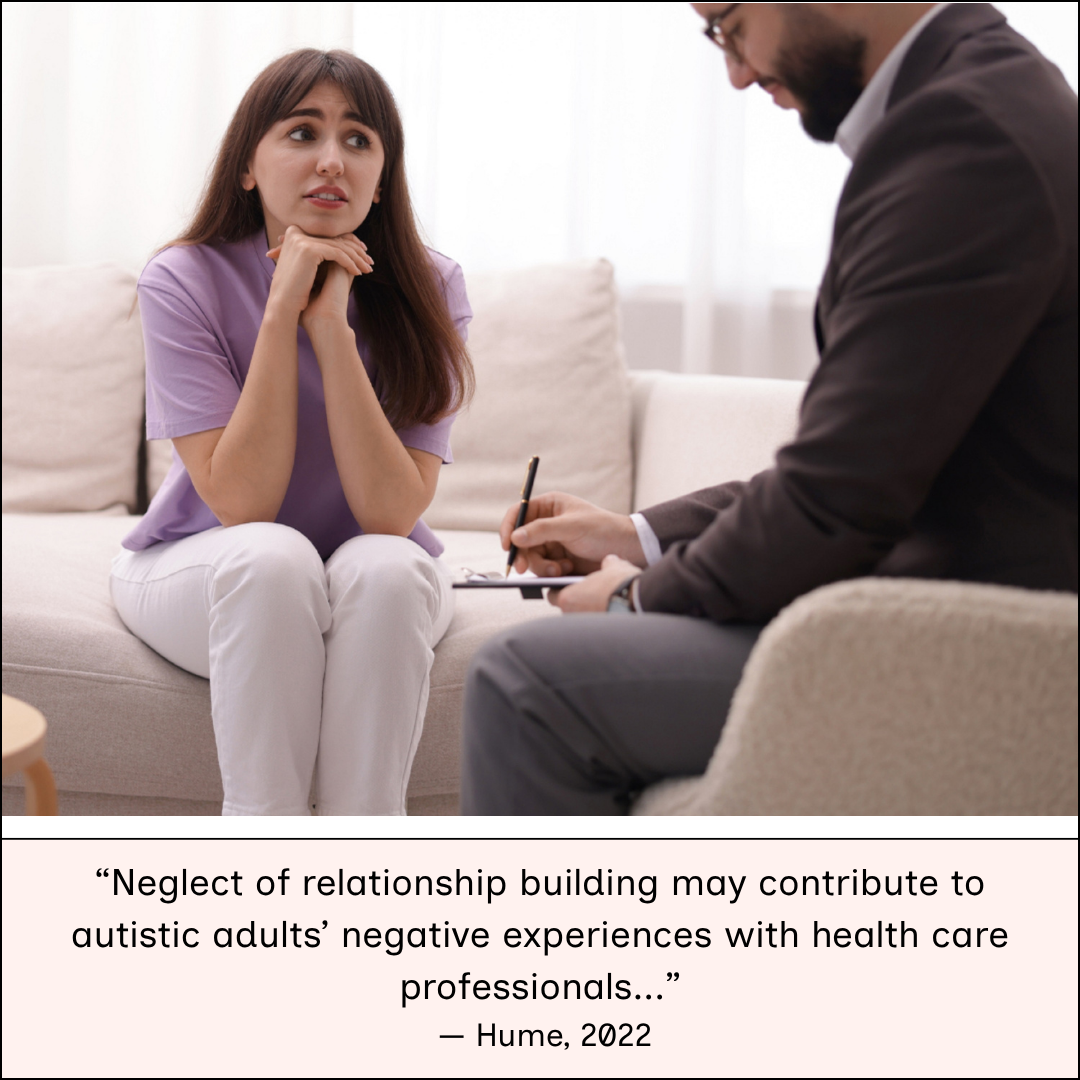
Autism is not just a diagnostic label. It reflects a distinct neurotype, with differences in sensory processing, emotional regulation, communication styles, attention, and nervous system functioning. When counsellors rely on generic, neurotypical approaches, Autistic clients are often misunderstood, mislabeled, or blamed for not “responding” to therapy.
Research shows that Autistic adults experience higher rates of mental health distress. They face repeated negative therapy experiences and pressure to conform to neurotypical norms rather than being supported as Autistic people (Camm‑Crosbie et al., 2019; Hume, 2022).
A neurodiversity affirming counsellor is trained to work with, not against, Autistic neurobiology. This means understanding sensory safety rather than sensory exposure, adapting communication styles and using flexible, collaborative approaches that let the client be the expert on their own experience (Milton et al., 2022; Prizant, 2015).
Behaviours often labelled as "avoidance," "resistance," or "poor emotional regulation" may actually reflect sensory overload, Autistic burnout, alexithymia, or chronic nervous‑system hypervigilance. These realities are often missed if therapists lack autism‑specific training.
Two misunderstandings that frequently occur in therapy are misinterpreting Autistic communication and signs of Autistic burnout and shutdown:
Misunderstanding communication
Autistic adults often communicate:
Literally
In detail
Non‑linearly
With pauses, tangents, or delayed processing
Counsellors without appropriate training in autism may interpret this as:
Avoidance
Intellectualisation
Defensiveness
“Not engaging in the process”
In reality, this is often Autistic information processing. It is not a defence mechanism. When therapists insist on reading these differences through a psychodynamic or cognitive behavioural lens without adaptation, Autistic clients are often misjudged or corrected, not understood.
Misunderstanding shutdowns and burnout
Autistic shutdowns and burnout are frequently misunderstood as:
Depression
Laziness
Loss of motivation
Treatment non‑compliance
While these states may look similar on the surface, they come from chronic overload and nervous system depletion. They do not arise from mood disorder alone.
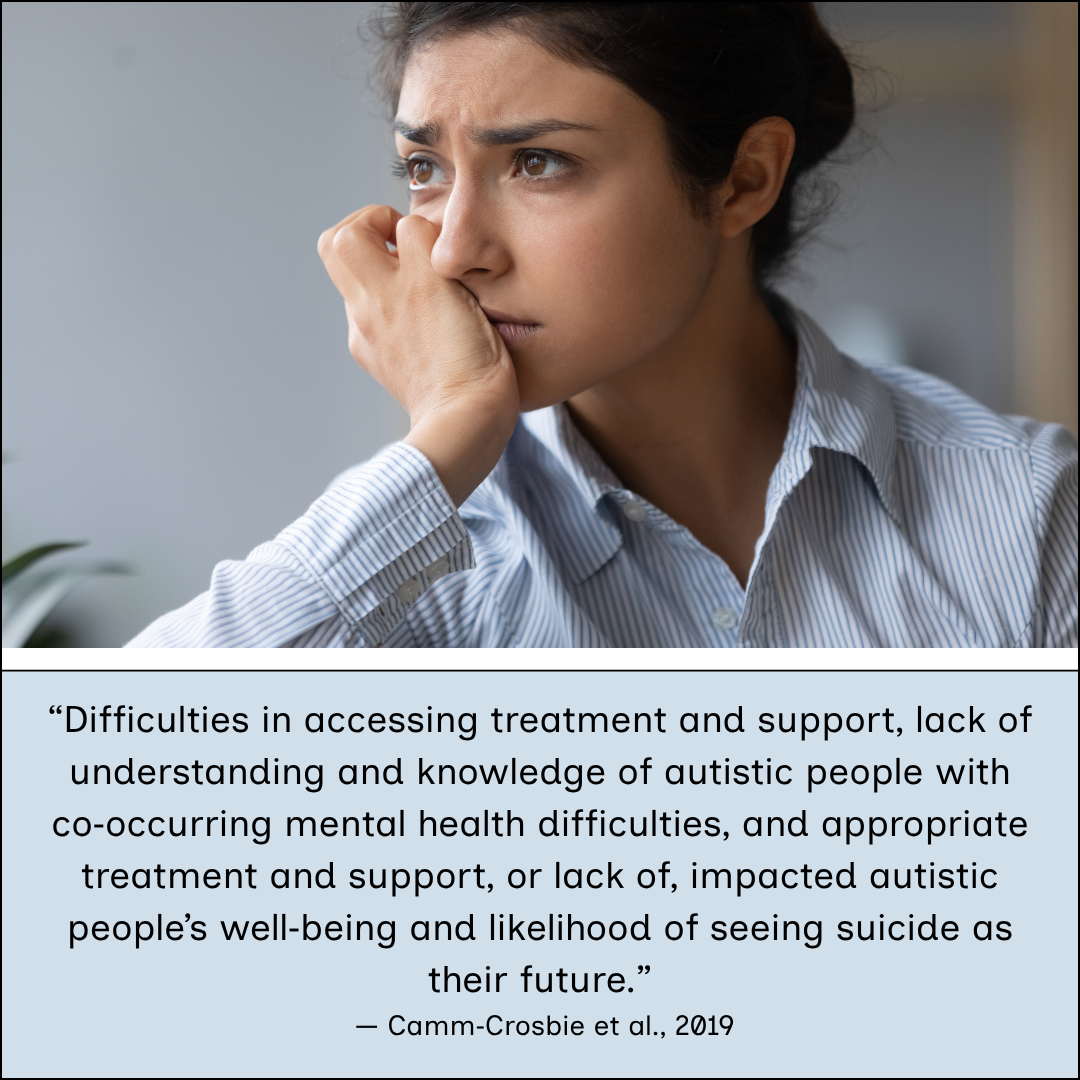
When counsellors respond with behavioural activation, pressure, or productivity focused goals, clients often deteriorate further.
For many Autistic adults, specialised counselling is not optional; it is the difference between therapy that traumatises and therapy that heals.

Interested in learning more? Join my 2-day workshop!
References
Camm‑Crosbie, L., Bradley, L., Shaw, R., Baron‑Cohen, S., & Cassidy, S. (2019). “People like me don’t get support”: Autistic adults’ experiences of accessing and receiving mental health services. Autism, 23(6), 1431–1441. https://doi.org/10.1177/1362361318816053
Hume, R. (2022). Show Me the Real You: Enhanced Expression of Rogerian Conditions in Therapeutic Relationship Building with Autistic Adults. Autism in Adulthood, 4(2), 151–163. https://doi.org/10.1089/aut.2021.0065
Milton, D., Ridout, S., Murray, D., & Martin, N. (2022). The neurodiversity paradigm: Autistic perspectives on autism. In The Neurodiversity Reader: Exploring concepts, lived experience and implications for practice. Pavilion Publishing.
Prizant, B. (2015). Uniquely Human: A Different Way of Seeing Autism. Simon & Schuster.