When Outdated Autism Myths Shape Therapy
When therapists lack adequate knowledge, the impact on Autistic adults is almost always harmful. These effects are cumulative, compounding, and often invisible to clinicians who lack specialist neurodiversity affirming autism training.
Research consistently shows that Autistic adults experience significantly higher rates of mental health distress, alongside elevated rates of suicidality and premature mortality (Cassidy et al., 2020; Camm‑Crosbie et al., 2019). Yet many Autistic adults report repeated harmful or invalidating experiences with mental health services, experiences that often lead them to disengage entirely from therapy.
A key reason for this pattern is not malice, but the persistence of outdated and inaccurate beliefs about autism within clinical training and practice.
This youtube short shows some of the key autism causes and cures myths

Outdated autism myths evolved
Most of the most harmful myths about autism are formally discredited within the neurodiversity affirming movement, but their influence continues to shape how clinicians interpret Autistic clients.
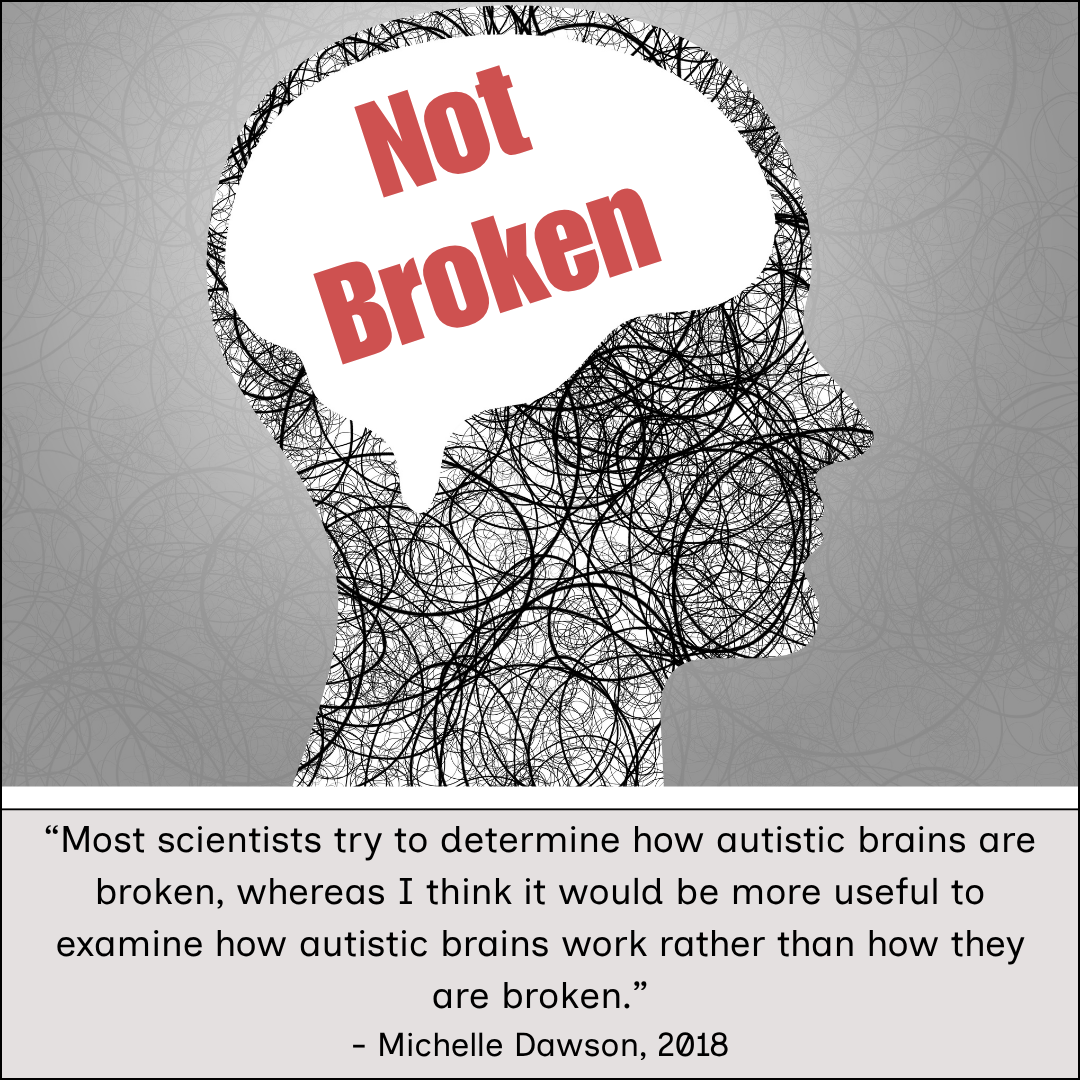
For example, early theories framed autism as the result of emotionally cold or rejecting parenting, the so‑called “refrigerator mother” hypothesis (Bettelheim, 1967). Although this theory has been widely rejected, its legacy persists in subtle forms: parent‑blaming narratives, over-analysing family relationships, and the assumption that autism must be trauma caused rather than neurodevelopmental (Feinstein, 2010; Silberman, 2016).
Keep in mind that there are popular and prominent therapists and researchers out there who are keeping these exact myths alive (like Gabor Maté).
Some myths are deeply entrenched in clinical thinking despite decades of contradictory evidence. Consider these common examples.
Myth: “Most Autistic people have an intellectual disability”
Despite strong evidence to the contrary, some clinicians continue to assume that autism is typically associated with intellectual disability. In reality, only a minority of Autistic people have co‑occurring intellectual disability, yet this myth continues to influence diagnosis and treatment (Lai & Baron‑Cohen, 2015; Epstein, 2019).
In therapy, this belief can result in:
Autistic adults being talked down to or underestimated
Complex emotional insight being overlooked
Agency and self‑determination being subtly undermined
It also contributes to the dismissal of verbally fluent, professionally employed, or highly masked Autistic adults, many of whom are only recognised once they reach burnout or crisis.
Myth: “Autistic people lack empathy”
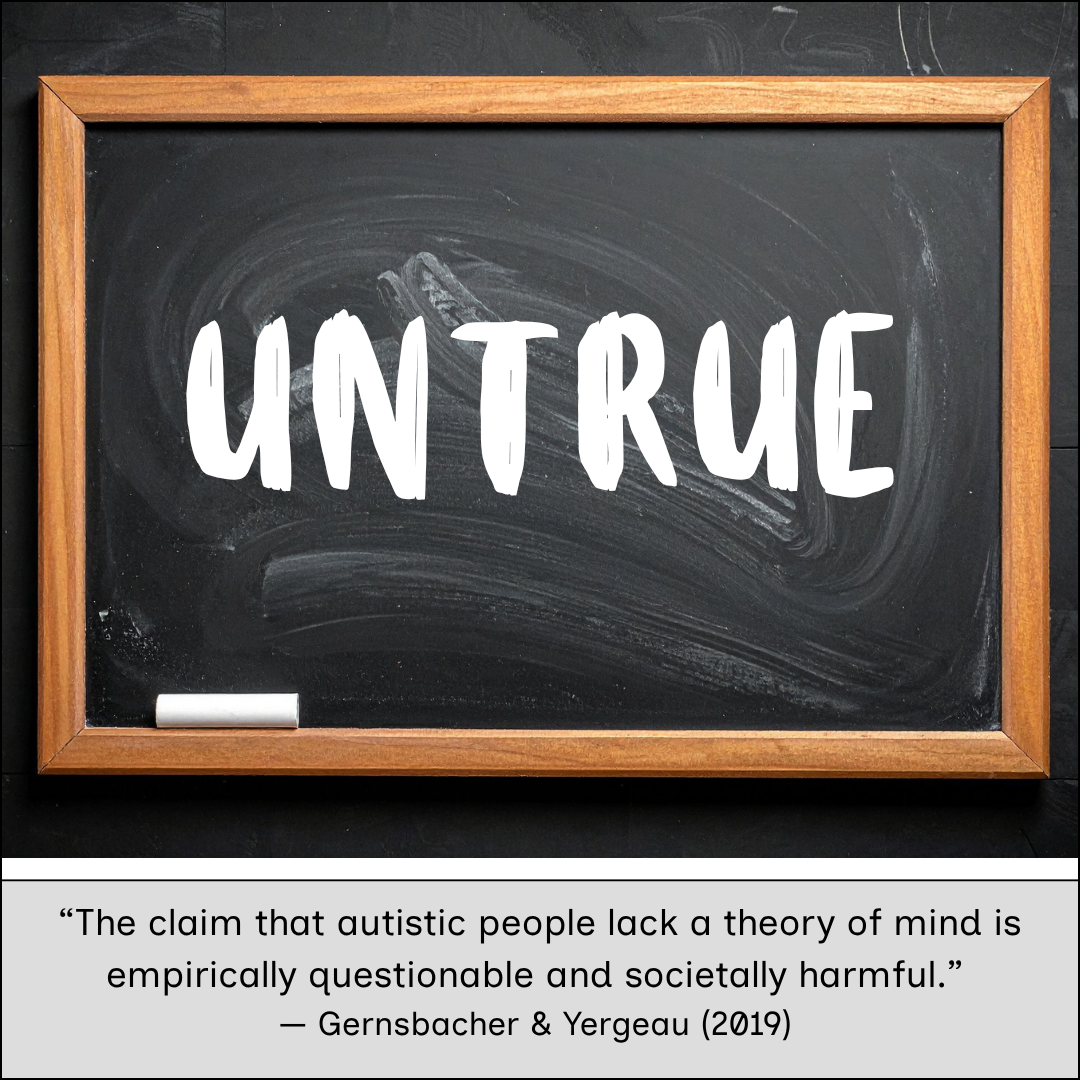
A persistent belief is that Autistic people lack empathy or emotional depth. This view arises from deficit-based interpretations of social differences, not from actual evidence of Autistic emotional lives.
Research, however, suggests that difficulties arise from mutual misunderstandings across neurotypes, a phenomenon described as the double empathy problem (Milton, 2012). Many Autistic people report experiencing intense emotional empathy, sometimes to distressing levels, even when their expression of empathy does not match neurotypical norms (Price, 2022).
When therapists hold this myth, Autistic clients may be misread as cold, avoidant, or disengaged, when they are, in fact, deeply affected.
Myth: “If someone can make eye contact, speak fluently, or hold a job, they can’t be Autistic”
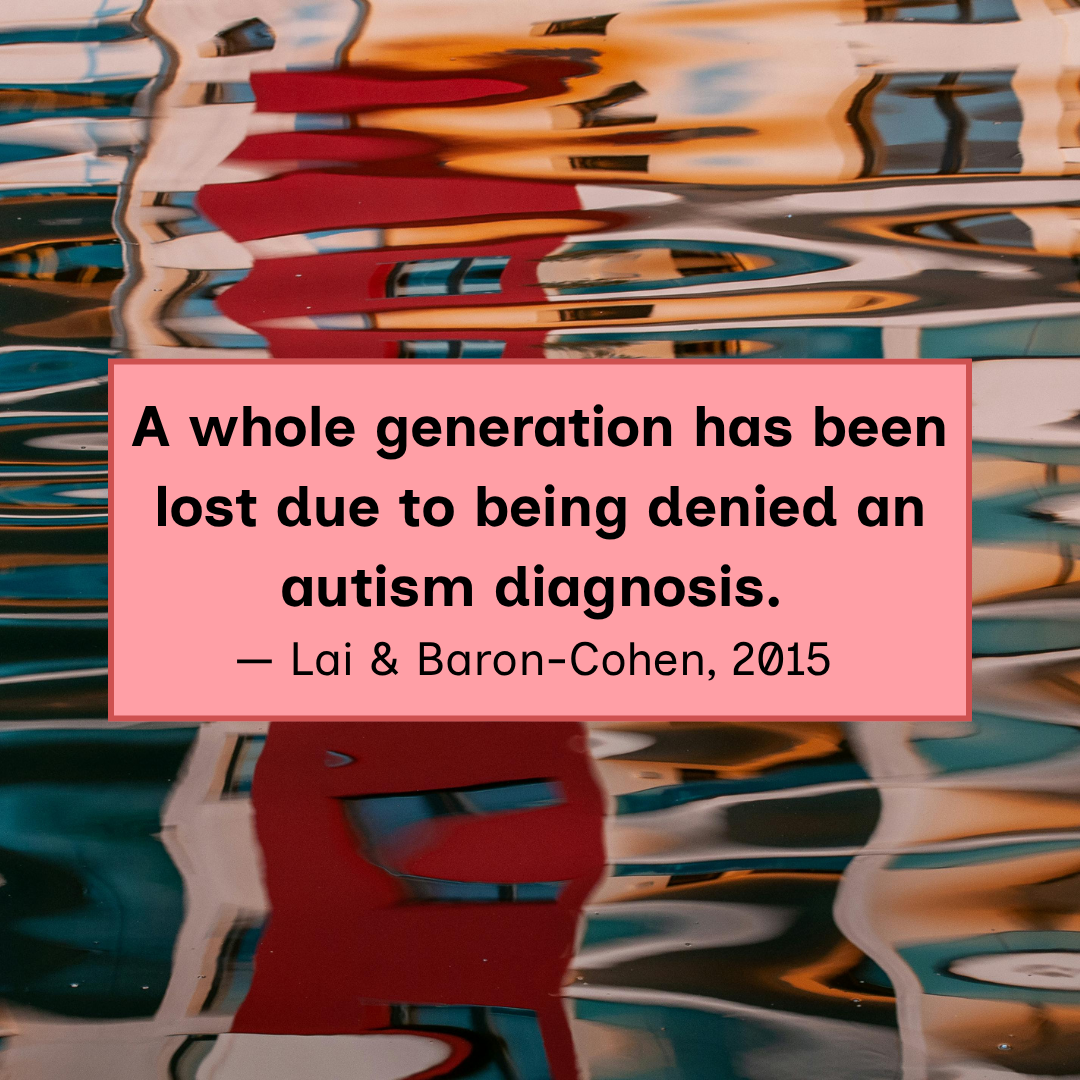
Clinicians often depend on rigid behavioural markers, such as eye contact, verbal fluency, or perceived social skill, to discount autism. This ignores the reality of masking, where Autistic adults consciously or unconsciously adapt to fit neurotypical settings.
This myth disproportionately affects:
women and gender‑diverse Autistic adults
LGBTQIA+ Autistic people
Autistic people of colour
It leads to delayed diagnosis, invalidation in therapy, and the harmful message that a person must be visibly struggling or “Autistic enough” to deserve support.
Myth: “Autistic distress is just anxiety that should be challenged”
Sensory distress is frequently misinterpreted as anxiety, avoidance, or cognitive distortion that should be addressed through exposure or reframing. For Autistic people, sensory overwhelm is often neurological and physiological, not driven by fear.
When clinicians use unadapted anxiety models, therapy often becomes an additional source of harm, worsening overwhelm, accelerating burnout, and breaking trust.
Why these myths matter in practice
Research shows that many mental health professionals:
feel unprepared to work with Autistic adults
lack confidence in adapting standard therapeutic models
continue to hold outdated or inaccurate beliefs about autism (Brosnan & Adams, 2022)
This knowledge gap has serious consequences. Autistic adults are already at higher risk of mental health distress and suicide, yet clinicians report lower confidence in safety planning and risk assessment with Autistic clients compared to non‑Autistic clients (Cassidy et al., 2020).
When distress is misunderstood, when difference is treated as a deficit, and when responsibility for adaptation is placed entirely on the Autistic person, therapy fails dangerously.
What changes with specialised, neurodiversity affirming therapy
Specialised counsellors are trained to:
recognise autism as a valid neurotype, not a pathology
understand burnout, masking, sensory safety, and co‑neurodivergence
adapt communication and therapeutic goals accordingly
centre collaboration, agency, and self‑determination
When therapy is genuinely autism affirming, Autistic adults consistently describe feeling safer, more accurately understood, and less pressured to perform or explain themselves (Milton, 2012; Price, 2022).
When outdated myths go unexamined, therapy becomes another environment in which autistic adults must survive. When those myths are challenged, therapy can finally become a place of repair.
Clinicians and mental health professionals must take responsibility for critically examining assumptions, updating their knowledge, and prioritisingneurodiversity affirming practice. Commit to seeking further training, challenging outdated beliefs, and advocating for specialised, competent support for Autistic adults. The wellbeing and safety of your clients depend on it.

Join me for my in-person workshop in June!
References
Bettelheim, B. (1967). The empty fortress: Infantile autism and the birth of the self. Free Press.
Brosnan, M., & Adams, S. (2022). Adapting drug and alcohol therapies for autistic adults. Autism in Adulthood, 4(3), 218–229. https://doi.org/10.1089/aut.2021.0047
Camm‑Crosbie, L., Bradley, L., Shaw, R., Baron‑Cohen, S., & Cassidy, S. (2019). “People like me don’t get support”: Autistic adults’ experiences of accessing and receiving mental health services. Autism, 23(6), 1431–1441. https://doi.org/10.1177/1362361318816053
Cassidy, S. A., Bradley, L., Cogger‑Williams, A., & Rodgers, J. (2020). Risk markers for suicidality in autistic adults. Molecular Autism, 11, Article 42. https://doi.org/10.1186/s13229-020-00351-1
Dawson, M. (2018, August 1). My conversation with Michelle Dawson [Interview by T. Cowen]. Marginal Revolution. https://marginalrevolution.com/marginalrevolution/2018/08/conversation-michelle-dawson-2.html
Feinstein, A. (2010). A history of autism: Conversations with the pioneers. Wiley‑Blackwell.
Gernsbacher, M. A., & Yergeau, M. (2019). Empirical failures of the claim that autistic people lack a theory of mind. Archives of Scientific Psychology, 7(1), 102–118. https://doi.org/10.1037/arc0000067
Lai, M.‑C., & Baron‑Cohen, S. (2015). Identifying the lost generation of adults with autism spectrum conditions. The Lancet Psychiatry, 2(11), 1013–1027. https://doi.org/10.1016/S2215-0366(15)00277-1
Milton, D. E. M. (2012). On the ontological status of autism: The “double empathy problem”. Disability & Society, 27(6), 883–887. https://doi.org/10.1080/09687599.2012.710008
Price, D. (2022). Unmasking autism: Discovering the new faces of neurodiversity. Harmony Books.
Silberman, S. (2016). NeuroTribes: The legacy of autism and the future of neurodiversity. Avery.
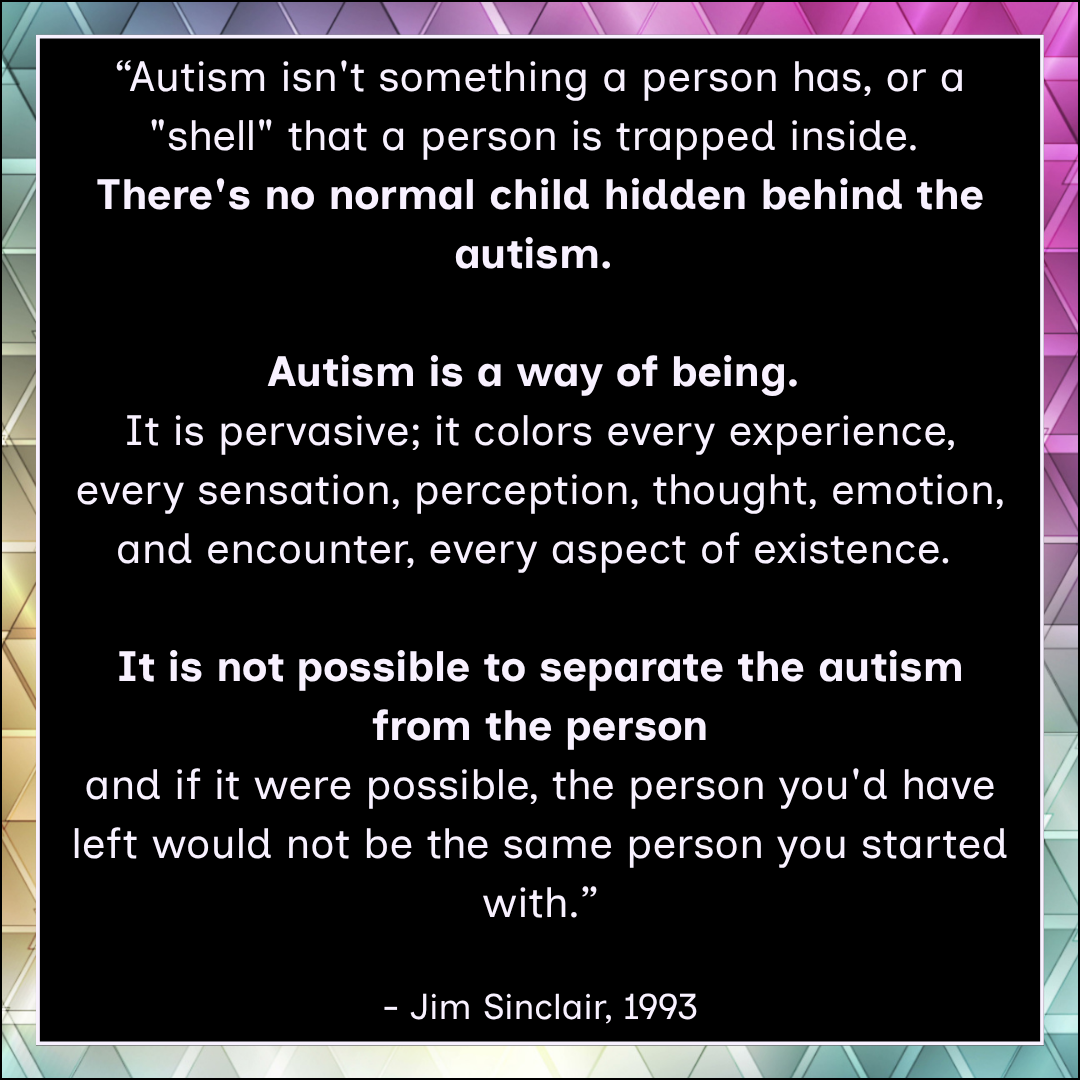
Sinclair, J. (1993). Don’t mourn for us. Our Voice, 1(3), Autism Network International. https://www.autreat.com/dont_mourn.html